
Planning a bathroom renovation can be exciting — and a little overwhelming. From choosing tiles and light fittings to understanding plumbing constraints, there are many decisions to make. This guide offers clear, practical advice to help you plan a smooth, cost-effective remodel while avoiding common pitfalls.
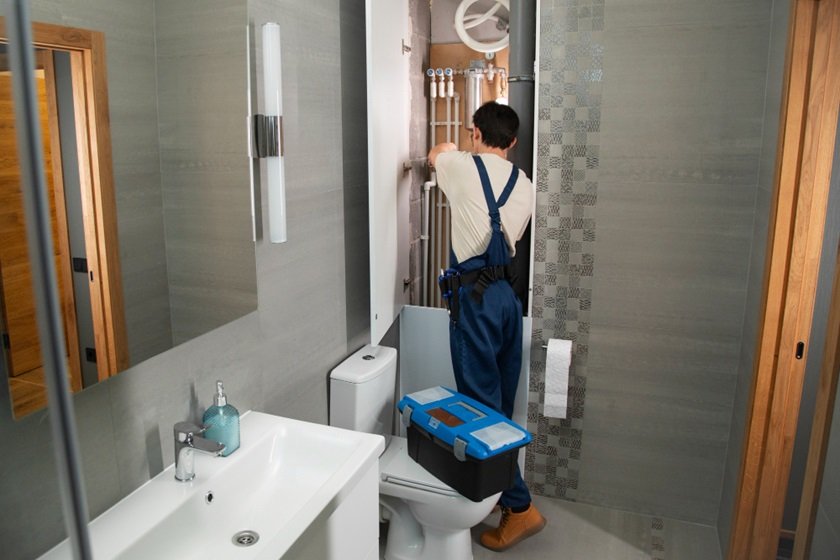
One of the biggest limits on what you can do during a bathroom renovation is your home’s plumbing. Speaking with a plumber before you begin will save time and money, and ensure you buy fixtures that match your existing supply and drainage. For example, many homes built before 1980 have narrower water supply pipes than today’s standards. Narrow supply lines can limit how much water your new showerhead(s) can deliver, and relocating drains is often costly and disruptive. Knowing the current layout and pipe sizes will help you choose suitable fixtures and avoid costly surprises.
Below you will find a clear step-by-step renovation process and the key considerations to address before and during your bathroom remodel.
Set a realistic budget for your bathroom renovation
Start by deciding how much you can reasonably spend. In Australia, the average cost of a bathroom renovation in 2023 was around $26,000, though a simple update can be done for $5,000 or less depending on scope and finishes. Ultimately, your budget and personal style will determine your final spend. Custom or luxury features (designer showers, freestanding tubs, premium lighting) will increase material and installation costs.
When setting your budget, focus on these major cost categories:
- Fixtures (toilets, basins, taps, showerheads)
- Tiling (walls and floors)
- Plumbing (pipes, relocation, hot water service)
- Electrical (lighting, outlets, bathroom exhaust)
- Waterproofing and compliance requirements
Determine project scope & timeline
How long a renovation takes depends on its scale. A cosmetic refresh can be completed in days to a few weeks, whereas a full rebuild involving relocation of plumbing or walls can take six to twelve weeks (or longer if structural work or council approvals are required).
Typical timelines:
- Small refresh (cosmetic updates like paint, new fixtures, minor tiling): ~2–4 weeks
- Full renovation (demolition, rough-in plumbing/electrics, tiling, cabinetry): ~6–12 weeks
Examples of tasks by project type:
Redesigning a small bathroom (~30 days)
- Replace faucet or vanity
- Modernize shower plumbing
- Update lighting and vanity sconces
- Apply paint, wallpaper, or decorative finishes
- Add practical storage solutions
Full bathroom renovation (~6–12 weeks)
- Relocate plumbing or electrical services (may extend schedule)
- Reconfigure layout or remove/erect walls
- Replace field and decorative floor tiles
- Upgrade shower and bathtub or add luxury features (heated floors, frameless glass)
- Install premium finishes and fixtures
Your complete bathroom renovation guide
Step 1 — Define your goals and style
Begin by collecting inspiration: browse showrooms, design websites, and magazines to identify styles, layouts, colours and materials you like. Make a list of what currently works in your bathroom and what doesn’t. Decide whether you want a minor refresh or a full reconfiguration.
If you plan layout changes that affect plumbing or load-bearing walls, consider hiring an architect or building designer. They can create detailed drawings and ensure your plans comply with local building codes and minimum spacing requirements between fixtures.
Step 2 — Assemble the right team
Choose experienced tradespeople: builder or project manager, plumber, electrician, tiler, waterproofer and painter. Ask for recommendations, check online reviews, verify licences and insurance, and review previous work or references. A good team will keep the project on schedule and help you avoid costly mistakes.
Step 3 — Demolition and strip-out
Demolition removes old surfaces, tiles, fixtures and any non-load-bearing walls you want to change. If you intend to reuse any fixtures, store them in a dry place to prevent damage. During demolition your contractors should isolate water and power supplies to ensure safety.
Step 4 — Rough-in plumbing and electrical
Rough-in work positions new plumbing and electrical services before walls are closed. Plumbers run supply and waste lines through stud walls and floors to service points; electricians lay conduits, cables and outlet locations. Both trades will mark and confirm fixture locations so tiles, cabinetry and joinery fit precisely. Proper securing of pipes is essential to prevent noise issues like “water hammer” and ensure long-term reliability. This stage must meet local building standards and is often inspected by authorities.
Step 5 — Waterproofing and wall/floor preparation
Waterproofing is critical in wet areas. Certified waterproofing membranes should be installed around showers, baths and other vulnerable junctions according to manufacturer specifications and local regulations. After waterproofing, walls and floors are prepared for tiling or other finishes.
Step 6 — Tiling and finishes
Skilled tilers will lay wall and floor tiles, taking care with layout, grout joints and drains to ensure a durable, attractive finish. Choose tiles that are slip-resistant for floors and select grout and adhesives appropriate for wet areas.
Step 7 — Install cabinetry and countertops
Vanities, cabinets and countertops are fitted once tiling and waterproofing are complete. Choose materials that balance aesthetics and durability — natural stone and engineered stone are durable countertop options, while laminate can be a budget-friendly alternative. Custom cabinetry can maximise storage and allow a seamless integration with the overall design.
Step 8 — Fit plumbing fixtures
The plumber installs the final fixtures: basin, toilet, shower and bath. This may include running hot water lines or installing an upgraded hot water system. Fixtures should be tested for leaks and correct operation before the final finishes are completed.
Step 9 — Accessories, lighting and final fit-off
Install lighting, mirrors, towel rails, shower screens and other accessories. This stage defines the look and functionality of your new bathroom — consider layered lighting (ambient, task, accent) and choose fittings that suit both style and usage needs. An electrician will complete final electrical connections and ensure compliance with safety requirements.
Step 10 — Final clean, inspection and handover
After the trades finish, complete a thorough clean to remove dust, adhesive residue and grout haze. Check all fixtures, taps, drains and electrics for correct function. Your contractor should rectify any defects identified during a final inspection. Once everything is signed off, your bathroom is ready for use.
Why plumbing upgrades matter
Plumbing upgrades during a renovation are more than cosmetic — they improve function, efficiency and home value. Key benefits include:
- Improved efficiency: New fixtures and properly sized pipes improve water flow and reduce leaks, clogs and low-pressure issues.
- Preventive maintenance: Replacing old pipes and corroded fittings helps avoid future leaks, burst pipes and costly water damage.
- Water conservation: Upgrading to water-efficient fixtures reduces consumption and lowers bills.
- Better health and safety: Improved drainage and ventilation reduce the risk of mould, mildew and bacteria growth, creating a healthier environment.
Budget-friendly updates to refresh your bathroom
If you’re renovating on a budget, small changes can make a big impact. Consider these cost-effective updates:
- Hang new bathroom wallpaper or a fresh coat of paint
- DIY vanity refresh — replace handles, paint or reface doors
- Install a tiled backsplash behind the basin
- Add coloured towels and accessories to change the palette
- Try a two-tone paint treatment for visual interest
- Fit a new mirror (including anti-fog or LED mirrors)
- Shop secondhand or clearance fixtures for bargains
- Replace light fixtures for improved ambience
- Paint or reface cabinetry
- Swap a vanity countertop for a lower-cost option
- Use white accessories to create a clean, cohesive look
- Upgrade shower fixtures for better performance
- Add smart, space-saving storage solutions
- Replace the shower curtain for an instant style change
How to make your bathroom renovation eco-friendly
Going green improves home health, reduces running costs and can increase resale value. It may also contribute to sustainability certifications such as LEED. Practical ways to make your bathroom more eco-friendly include:
- Install a water-saving faucet aerator to reduce flow without sacrificing performance
- Use sustainable, low-VOC materials for cabinetry, paints and finishes
- Fit a water-saving showerhead to reduce water and energy use
- Upgrade to a high-efficiency water heater or consider on-demand systems
- Install a low-flow or dual-flush toilet to reduce water per flush
For more information on water efficiency and sustainable building, see the EPA’s WaterSense program (epa.gov/watersense) and the U.S. Green Building Council (usgbc.org).
Final checklist before you start
- Confirm your budget and contingency (at least 10–20% for unexpected costs)
- Engage a licensed plumber and electrician early
- Obtain necessary permits and confirm inspections
- Decide on key fixtures and finishes before demolition
- Plan for temporary bathroom access if needed during the build
- Check warranty and maintenance requirements for major items
Doing careful planning and involving the right trades early will make your bathroom renovation smoother, more affordable and more satisfying. For local cost guidance in Australia, you can get a general idea from renovation cost resources such as Realestate.com.au.
References: